
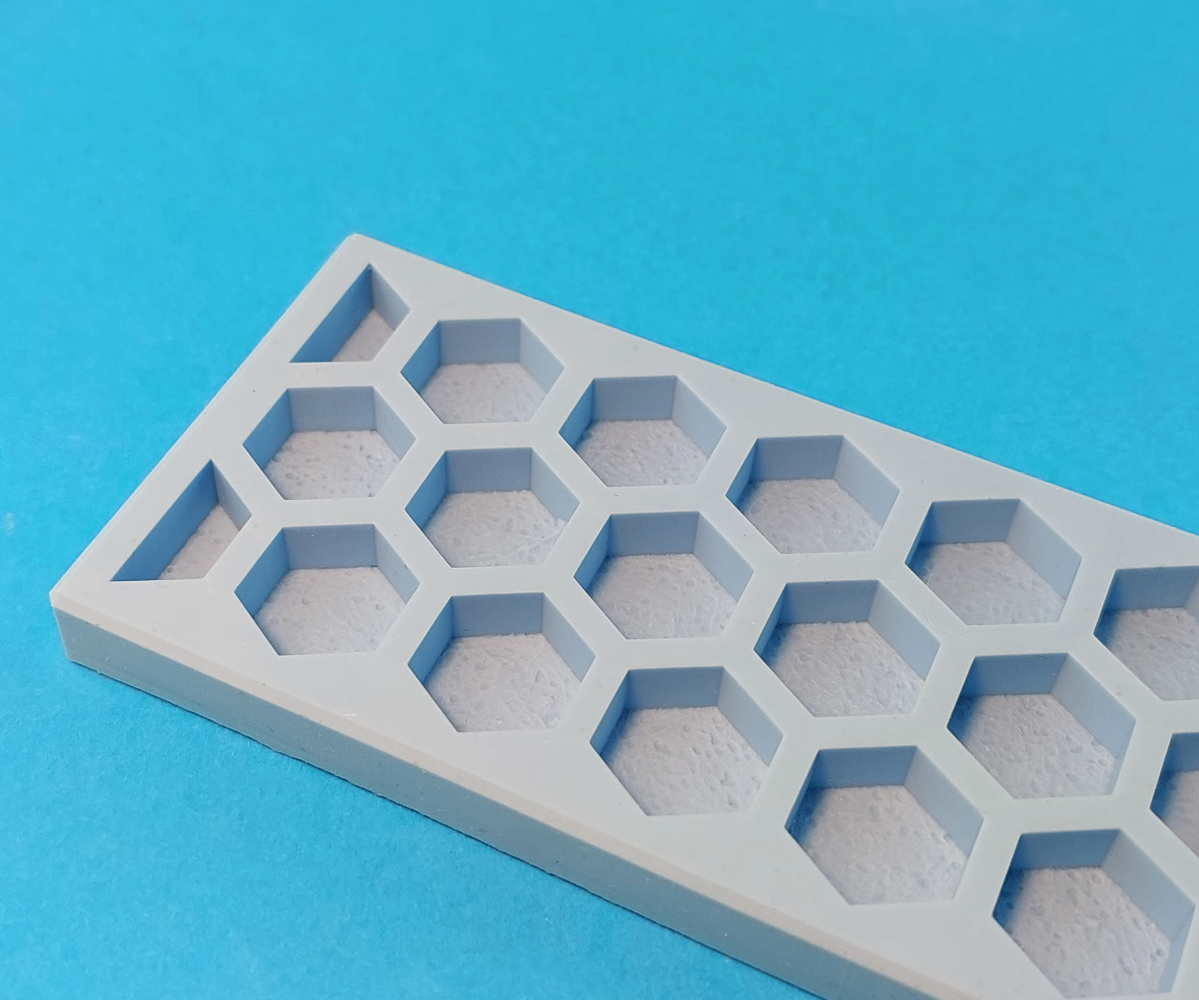
24 25011 Silicone mold. Trylinka road plate


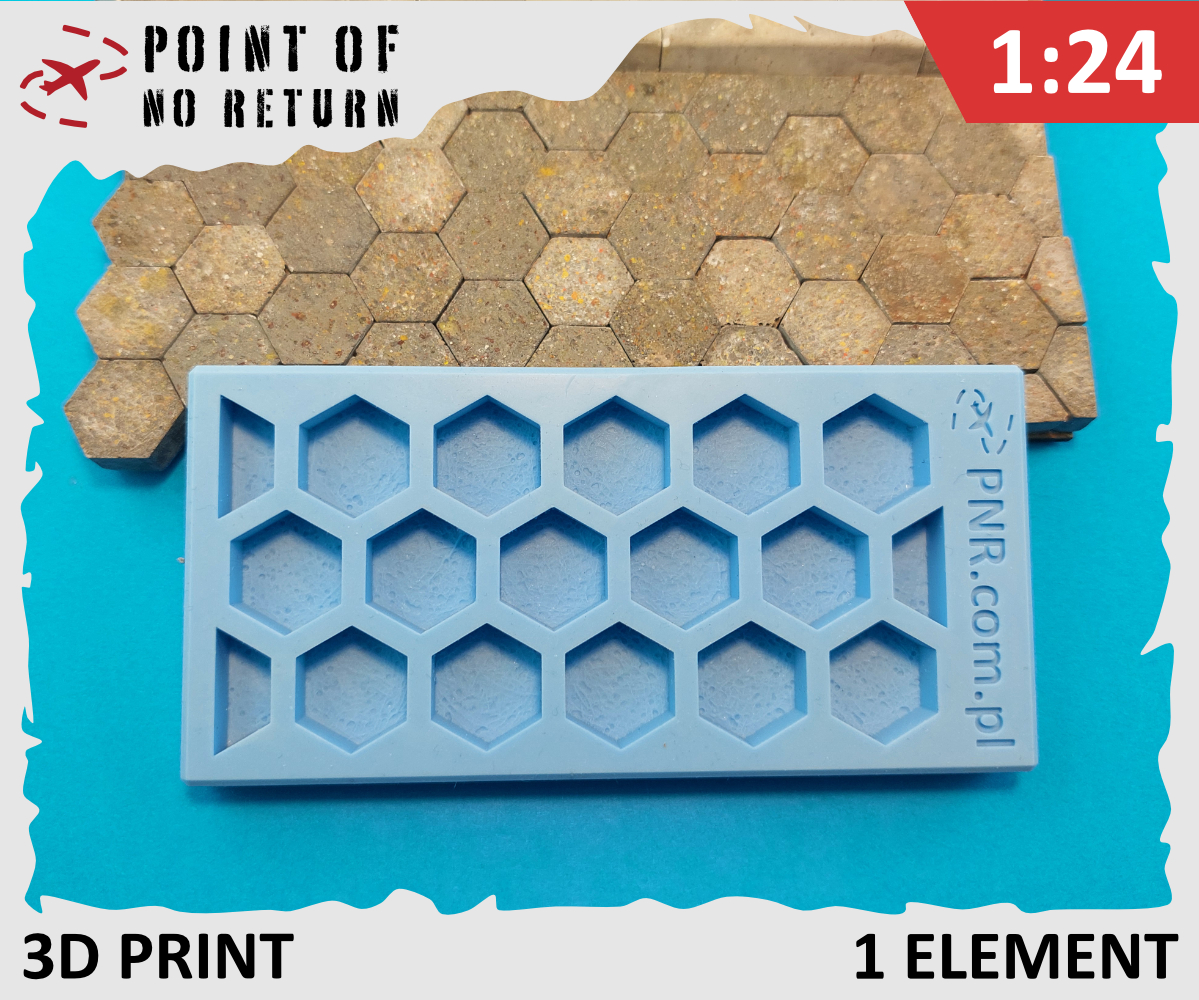
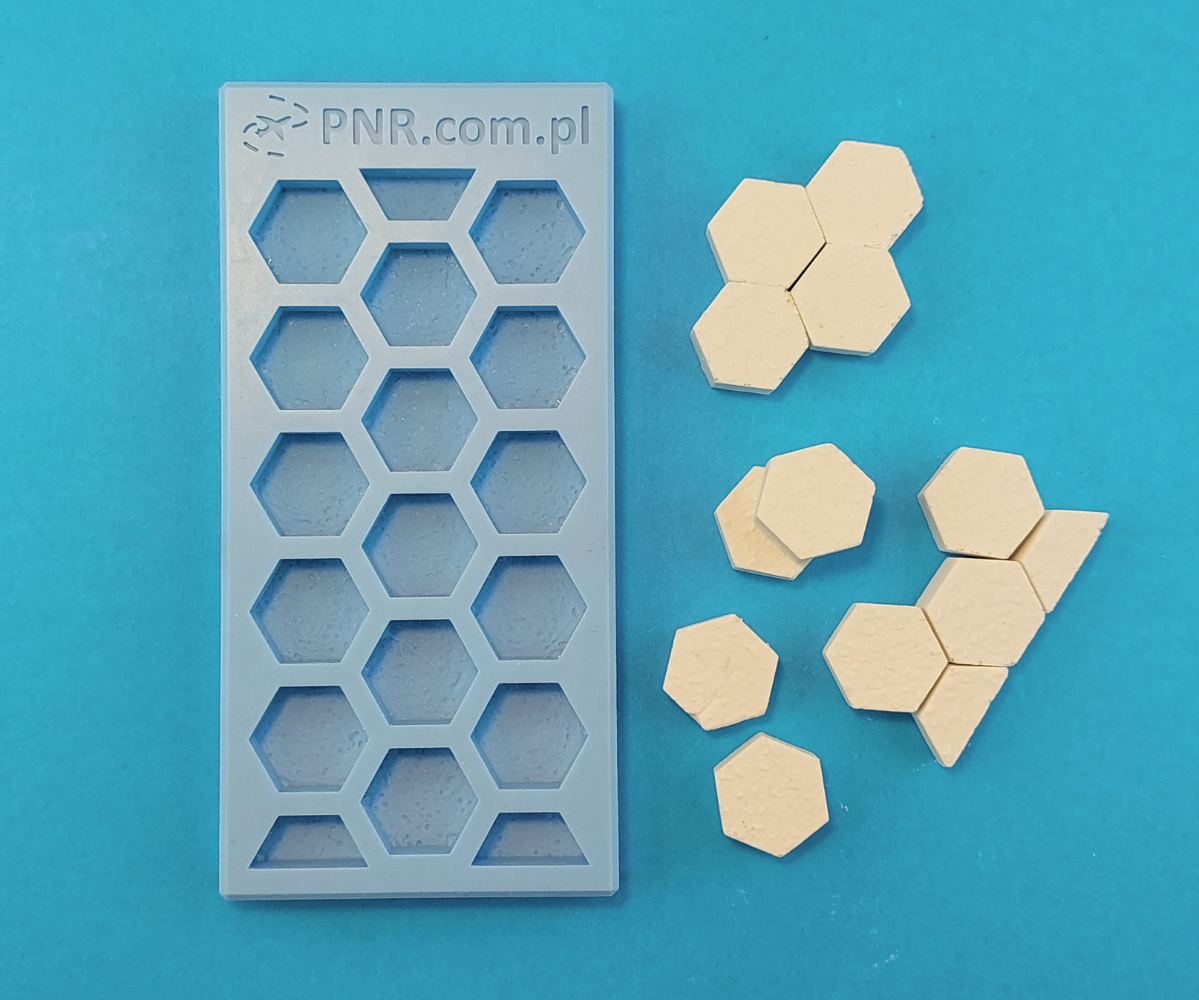
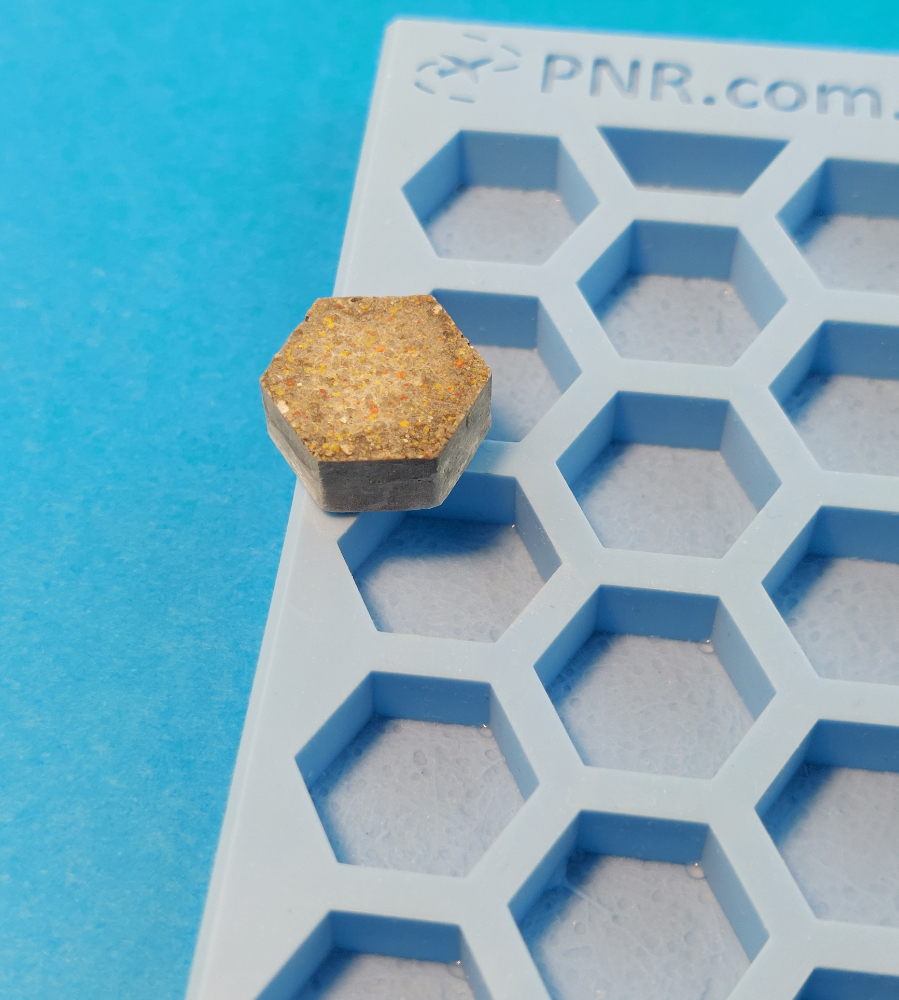
24 25011 Kit Instructions Download
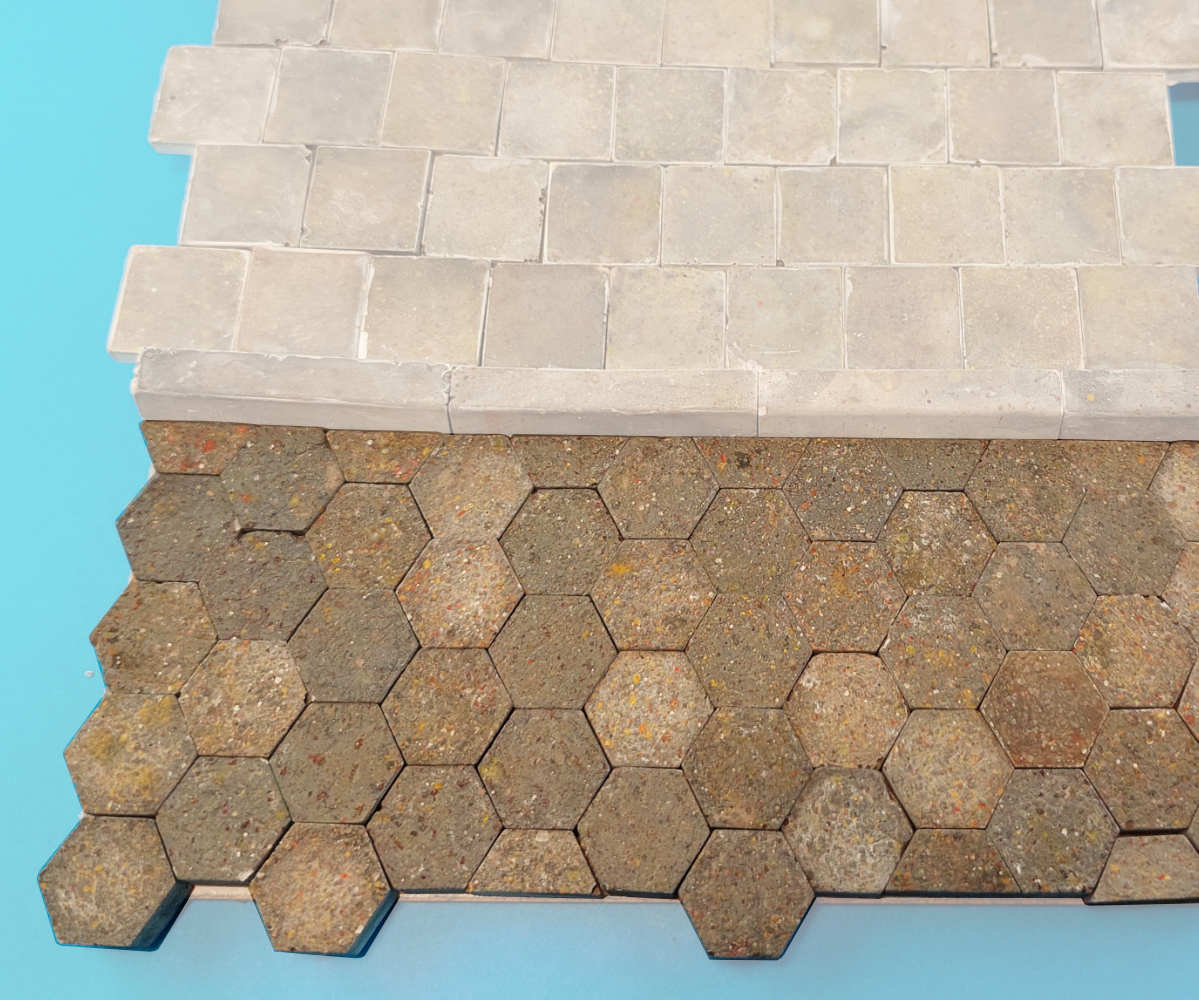
Trylinka - hexagonal concrete slabs are typically used to construct surfaces for parking lots, storage areas, and temporary roads. Trylinka is also used to protect and harden sloping surfaces of excavations or embankments. It was often used to protect slopes in hydraulic structures.
The name comes from the Polish inventor Władysław Tryliński, who patented a surface made of hexagonal concrete slabs on September 15, 1933.
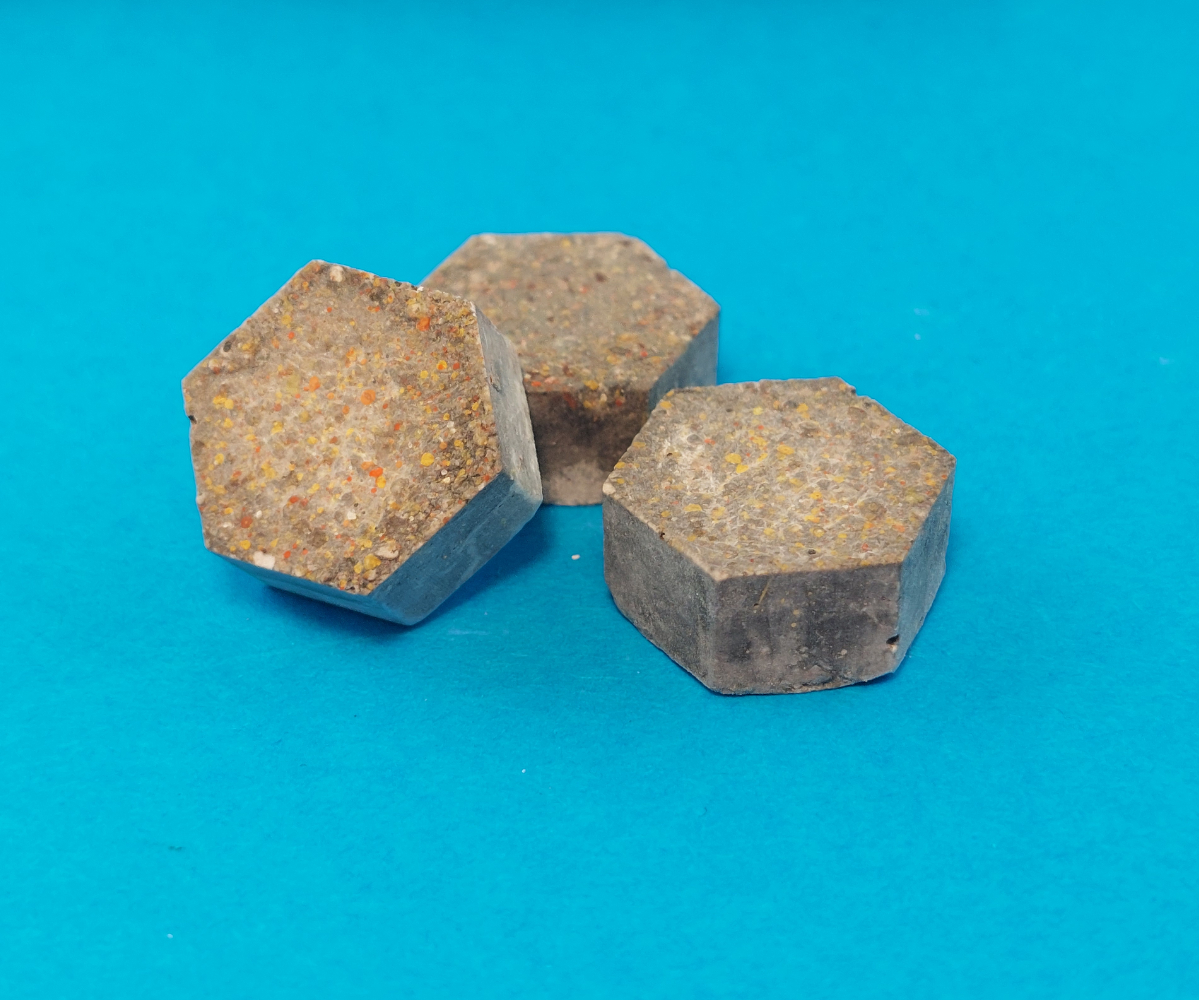
To increase durability, the top surface of the slab should be reinforced with crushed stone. The original specification from 1932 states that concrete slabs for roadways should have a top surface made of tightly packed coarse crushed stone grains (6 to 8 cm) of hard stone, e.g., granite, basalt, quartzite, or fieldstone, provided they are carefully sorted. Coarse crushed stone is placed by hand on the bottom of the mold, which is first poured with cement mortar, then filled with concrete made from finer crushed stone. According to a 1932 patent, the side edges of the slabs had to be coated with a layer of tar or asphalt before installation.
Because no vibration or pressing was used in the production of trylinka, its quality was inferior to modern paving elements. However, surfaces over 60 years old have survived.
Dimensions of the cast in a 1:24 scale: 16.7 x 6.3 mm.
For casting, we recommend using foundry plaster or dental plaster. Molds should be washed in warm water with a small amount of detergent.
Available for purchase at MojeHobby.pl